Top Educational Institution for Modern Learning and Skills

Introduction to Modern Education and Its Importance

Modern education has transformed significantly over the past decade. Today’s Top Educational Institute are no longer limited to traditional textbook learning. Instead, they focus on developing critical thinking, creativity, communication, collaboration, and digital skills that prepare students for real-world challenges.

A top educational institution for modern learning and skills is one that goes beyond academic excellence. It creates an environment where students are encouraged to explore, innovate, and grow into responsible global citizens.

In a rapidly changing world driven by technology, artificial intelligence, and global connectivity, education systems must evolve. Schools and colleges must now equip students not only with knowledge but also with practical skills, problem-solving abilities, and emotional intelligence.


What Makes a Top Educational Institution?

A top educational institution is defined by several key qualities that set it apart from ordinary schools or colleges.

Strong Academic Foundation

A high-quality institution ensures students master core subjects such as Mathematics, Science, Languages, and Social Studies. However, it also ensures that learning is concept-based rather than rote memorization.

Focus on Modern Skills Development

Modern institutions emphasize skills like digital literacy, coding and programming, communication skills, leadership development, and critical thinking. These skills prepare students for future careers in a competitive global market.

Experienced and Trained Teachers

Teachers play a vital role in shaping students’ futures. Top institutions hire educators who understand modern teaching methodologies, use technology in classrooms, encourage interactive learning, and provide personalized attention.


Importance of Modern Learning in Education

Modern learning is not just a trend—it is a necessity in today’s world.

Prepares Students for the Future

The job market is evolving quickly. Automation and AI are changing industries. Students need skills that cannot be replaced by machines.

Encourages Creativity and Innovation

Modern education promotes project-based learning, hands-on activities, and research and experimentation. This helps students become innovators and problem-solvers.

Builds Confidence and Communication Skills

Students are encouraged to participate in discussions, deliver presentations, and work in teams. This builds strong communication and leadership abilities.


Key Features of a Modern Learning Institution

A top institution integrates modern systems and approaches into its daily operations.

Smart Classrooms

Digital boards, multimedia tools, and online learning platforms enhance understanding and engagement.

Technology Integration

Use of computers, tablets, and learning management systems makes education more interactive and effective.

Extracurricular Activities

Institutions focus on sports, arts and crafts, debate competitions, and science fairs. These activities help in overall personality development.

Safe and Supportive Environment

A positive environment ensures emotional well-being, discipline, respect, and student motivation.


Role of Teachers in Modern Education

Teachers are no longer just lecturers; they are mentors and facilitators.

Guiding Students

Teachers help students identify strengths and weaknesses.

Encouraging Active Learning

Instead of passive listening, students actively participate in learning activities.

Using Innovative Teaching Methods

Examples include group discussions, visual learning, and practical experiments.


Benefits of Studying in a Top Educational Institution

Students gain multiple long-term benefits:

Better Academic Performance

Structured learning systems improve results and understanding.

Career Readiness

Students are better prepared for university and professional careers.

Personality Development

Education shapes confidence, discipline, and responsibility.

Global Exposure

Modern institutions often expose students to international learning standards and ideas.


Future of Education and Modern Learning

The future of education is digital, flexible, and skill-based. Traditional memorization-based systems are slowly being replaced with online learning platforms, artificial intelligence-based learning tools, hybrid classrooms, and personalized learning paths.

Institutions that adapt to these changes will lead the future of education.
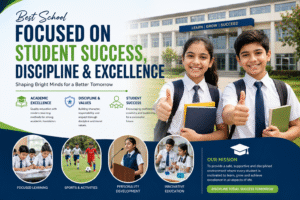
Education is no longer limited to memorizing textbooks. Instead, it is about understanding concepts, applying knowledge, and building confidence. A strong educational institution prepares students for future challenges by combining knowledge, creativity, and practical experience.

In the modern world, skills like communication, digital literacy, teamwork, and problem-solving are just as important as academic grades.


What Defines a Top Educational Institution?

A top educational institution stands out because of its quality, environment, and teaching approach.

Strong Academic Structure

A good institution provides a well-organized curriculum that builds strong foundations in core subjects like science, mathematics, languages, and social sciences.

Skill-Based Learning Approach

Modern institutions focus on:

  • Critical thinking
  • Creativity
  • Leadership skills
  • Communication skills
  • Technology use

This ensures students are ready for future careers.

Professional Teaching Staff

Highly qualified and trained teachers make a big difference. They guide students, support them, and use modern teaching techniques to make learning easy and interesting.

Student-Centered Environment

Instead of focusing only on exams, top institutions focus on student growth, confidence, and personality development.


Importance of Modern Learning Systems

Modern learning systems are designed to prepare students for real-life situations.

Future Readiness

Technology and automation are changing jobs quickly. Students must learn skills that help them adapt to new careers and industries.

Practical Knowledge Over Theory

Instead of only reading, students learn through:

  • Projects
  • Activities
  • Experiments
  • Presentations

This improves understanding and memory.

Creativity and Innovation

Modern education encourages students to think differently, explore ideas, and develop innovative solutions to problems.

Communication Development

Students learn how to express their thoughts clearly through speaking, writing, and group discussions.


Key Features of Modern Educational Institutions

Top institutions include modern facilities and teaching methods.

Smart Learning Tools

Digital boards, multimedia presentations, and online resources make learning more engaging.

Technology Integration in Education

Computers, internet-based learning platforms, and educational software help students learn faster and better.

Co-Curricular Activities

Education is not only about studies. Activities include:

  • Sports competitions
  • Art and culture events
  • Science exhibitions
  • Debates and speeches

These activities help students develop confidence and leadership skills.

Safe Learning Environment

A safe and positive environment ensures students feel comfortable, focused, and motivated to learn.


Role of Teachers in Modern Education

Teachers are the backbone of any educational system.

Mentors and Guides

Teachers help students in every step of their learning journey.

Interactive Teaching Methods

Instead of traditional lectures, teachers use:

  • Group discussions
  • Visual learning
  • Practical demonstrations

Motivation and Support

Teachers encourage students to do their best and build self-confidence.


Benefits of Studying in a Top Institution

Students who study in quality institutions gain long-term benefits.

Strong Academic Performance

Well-structured learning improves grades and understanding.

Career Development

Students become ready for universities, jobs, and professional careers.

Personality Growth

Students develop discipline, confidence, responsibility, and leadership qualities.

Exposure to Modern Skills

Students gain knowledge of technology and modern learning methods.


Role of Technology in Modern Education

Technology has become an essential part of education.

Digital Classrooms

Smart boards and multimedia tools make learning interactive.

Online Learning Platforms

Students can learn anytime and anywhere through digital platforms.

AI and Future Learning Tools

Artificial intelligence is helping students learn in a more personalized way.


Challenges in Modern Education

Even modern institutions face some challenges:

Adapting to Change

Not all schools quickly adopt new technologies and methods.

Teacher Training Needs

Teachers need regular training to keep up with modern systems.

Balancing Technology and Traditional Learning

It is important to maintain a balance between digital and face-to-face learning.


Future of Education

The future of education will be more advanced and flexible. It will include:

  • Fully digital classrooms
  • Personalized learning systems
  • Skill-based education models
  • Global collaboration opportunities

Institutions that adopt these changes will lead the future of learning.


Final Words

A top educational institution for modern learning and skills focuses on both academic excellence and practical life skills. It helps students grow into confident, skilled, and responsible individuals.

Education today is not just about passing exams—it is about preparing for life, building character, and shaping a successful future.

Leave a Reply